
A joyful afternoon of fetch or a romp with the neighborhood dogs can end with an unexpected limp, and it is natural to assume your pet will bounce back within a day or two. The truth is that soft tissue injuries, joint strain, and hidden sprains often take far longer to heal than people expect, and rushing the process can turn a minor issue into a chronic problem. Understanding what is actually happening inside your pet’s body after a play injury helps you make smarter decisions about rest, treatment, and when to seek professional help. This article breaks down why recovery timelines are longer than they seem and what you can do to support a full, lasting recovery.
Recognizing the First Signs of a Playtime Injury
A limp rarely appears out of nowhere. In most cases, there were subtle warning signs during play that were easy to miss, like a brief stumble, a hesitation before jumping, or a slight favoring of one leg. Catching these early cues can help you stop activity before a minor strain becomes a serious sprain or ligament tear.
Pets are also skilled at masking pain, especially dogs bred for endurance or working roles. By the time a limp is obvious, the underlying injury may already be more advanced than it appears on the surface.
- Sudden reluctance to climb stairs or jump onto furniture
- Holding a paw up briefly after running
- Excessive licking or chewing at one leg or paw
- Stiffness after resting that improves slightly with movement
- Changes in gait, such as bunny-hopping or short strides
Why Swelling and Inflammation Linger Longer Than Expected
Inflammation is the body’s natural response to tissue damage, but it does not resolve as quickly as many pet owners assume. The acute phase alone, where blood flow increases and immune cells rush to the site to clear damaged tissue, typically lasts three to five days. What follows is a longer repair and remodeling phase that can stretch on for weeks, even when the swelling looks like it’s gone down on the surface.
Swelling around a joint or muscle can persist for several days to weeks, especially if the animal continues to bear weight on the injured limb. Every time a dog jumps off the couch, takes the stairs too fast, or plays a quick game of fetch before the tissue has fully repaired itself, the inflammatory cycle can reset, pushing recovery back even further. This is why a limp that seems to improve and then suddenly returns is so common after playtime injuries.
This ongoing inflammation is often mistaken for a new injury when it is actually the original one failing to heal properly. Owners may notice the limb looks slightly puffy, feels warm to the touch, or that their pet is still favoring it three or four weeks later, and assume something fresh has gone wrong. In reality, without rest, controlled activity, and sometimes veterinary support like anti-inflammatory medication or cold therapy, the same soft tissue damage can simply linger in an unresolved state.
Swelling looks worse before it looks better, and that catches most owners off guard. The tissue around a strained joint or muscle often puffs up over the first 24 hours as fluid rushes in to protect the area, then plateaus before slowly receding. Reduced activity, cold compression, and controlled rest are usually necessary for inflammation to fully subside, with ice sessions of 10 to 15 minutes a few times a day being far more effective than one long application.
Rest doesn’t mean total confinement, either. Short, leashed bathroom breaks are fine, but anything resembling normal play, stairs, or off-leash freedom should wait until the swelling has visibly gone down. Pushing activity too soon is one of the most common reasons a minor limp turns into a weeks-long setback.
If swelling does not improve within 48 to 72 hours, or if it worsens, spreads, or the limb feels hot to the touch, a visit to a local animal hospital is a reasonable next step. Persistent swelling can mask fractures, ligament tears, or deeper soft tissue damage that no amount of icing and rest will resolve on its own. Waiting too long to have it checked can also mean a longer, more complicated recovery than if it had been caught early.
Understanding Soft Tissue Healing Timelines
Muscles, tendons, and ligaments heal at different speeds depending on blood supply and the severity of the injury. Muscle strains often improve within one to two weeks, while ligament and tendon injuries can take six to eight weeks or longer to regain full strength. This mismatch between how a pet feels and how healed the tissue actually is explains why so many animals reinjure themselves during the recovery window.
Pet owners often stop restricting activity as soon as the limp disappears, not realizing the tissue underneath is still fragile. Following a structured timeline, rather than judging recovery by appearance alone, gives injured tissue the time it genuinely needs to rebuild strength.
Deciding When a Limp Needs Same Day Attention
Not every limp requires an emergency visit, but certain signs indicate the injury is more serious than simple muscle soreness. A dog who occasionally favors a leg but still puts weight on it, walks normally after a few minutes of rest, or shows no other symptoms is often dealing with a mild strain that improves within a day or two.
Sudden inability to bear any weight, however, is a red flag that shouldn’t wait until morning. So is visible deformity, such as a leg held at an odd angle, noticeable swelling, or a joint that looks out of place.
Pain response matters too. Intense whimpering, growling, or snapping when the leg is gently touched suggests a fracture, torn ligament, or severe sprain rather than routine soreness.
Timing and context offer clues as well. A limp that appears immediately after a yelp during play, a fall, or a collision with another dog often points to acute trauma rather than gradual wear, and should be evaluated the same day. Other same-day warning signs include pale gums, rapid breathing, or reluctance to move at all, since these can indicate shock or a more serious internal injury alongside the limp.
Not every limp requires an immediate trip to the vet, but certain warning signs mean the clock is working against you. A limb held completely off the ground, visible swelling, obvious deformity, or a dog crying out when touched are all signals that something more serious than a minor strain is going on. Waiting a day or two to “see how it looks” can allow a fracture or torn ligament to worsen, sometimes turning a straightforward repair into a much more complicated one.
Other red flags include limping that appears suddenly after a fall or collision, a leg that looks shorter or bent compared to the other side, or reluctance to bear any weight at all after twenty to thirty minutes of rest. Puppies and senior dogs also warrant a lower threshold for concern, since growth plate injuries and age-related bone fragility can complicate what might otherwise be a simple soft tissue issue.
An urgent care veterinarian can quickly assess whether imaging is needed and whether the injury requires stabilization before it becomes a long term mobility issue. Same-day evaluation typically includes a hands-on orthopedic exam, checking for pain response along the joints and bones, and often X-rays to rule out fractures or joint damage. Catching these injuries early not only speeds recovery but can prevent the kind of compensatory strain on other limbs that leads to secondary problems down the road.
- Leg held at an unnatural angle, or dangling limply instead of tucked
- No weight bearing at all, even briefly, on the affected leg
- Visible swelling that appears within minutes of the injury, especially around a joint
- Pet crying out, growling, or snapping when the area is touched
- Limping that worsens rather than improves over 24 hours, instead of easing with rest
- Cold or discolored paw pads, which can signal blocked blood flow
- Obvious bone deformity, bruising, or an open wound near the limp
- Loss of appetite or unusual lethargy accompanying the limp
- Repeated episodes of collapse or the leg buckling under normal weight
When Surgery Becomes Part of the Recovery Plan
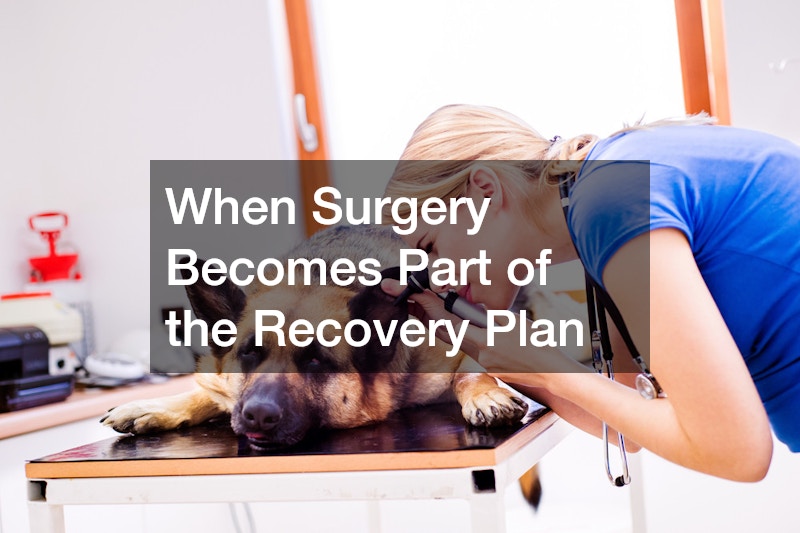
Some injuries, particularly torn ligaments like a cranial cruciate rupture, do not heal on their own no matter how much rest is provided. In these cases, animal surgery services may be recommended to repair or stabilize the joint so the pet can regain normal function. Surgical recovery timelines are often longer than owners expect, sometimes requiring eight to twelve weeks of restricted activity.
Even after surgery, the joint needs time to rebuild strength and range of motion gradually. Owners who understand this upfront are better prepared for the slow, steady pace of postoperative healing rather than expecting a quick return to normal play.
Supporting Mobility With Rehabilitation Exercises
Once the acute injury phase has passed, structured movement becomes just as important as rest. An animal physical therapist can design a program of controlled exercises that rebuild strength without overloading healing tissue. These programs often include hydrotherapy, balance work, and gradual increases in walking distance.
Rehabilitation is especially valuable for pets recovering from surgery or repeated soft tissue injuries, since it reduces the risk of compensating with other limbs. A guided approach also helps owners recognize the difference between productive movement and activity that risks reinjury.
- Short, frequent walks instead of long outings
- Underwater treadmill sessions for low impact strengthening
- Range of motion stretches guided by a professional
- Gradual reintroduction of stairs and inclines
- Balance exercises to rebuild coordination
Preventing Future Injuries Through Routine Veterinary Care
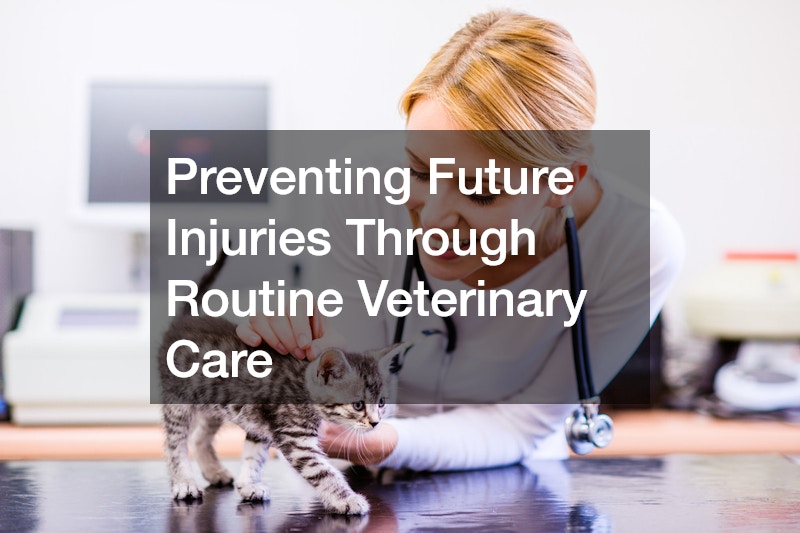
Regular checkups play a bigger role in injury prevention than many pet owners realize. Staying current on preventive care, including visits to pet vaccination clinics, ensures underlying health issues that affect joints and immune response are caught early. A pet with strong overall health is generally more resilient to the everyday bumps and strains that come with active play.
Routine visits also give veterinarians the chance to evaluate joint health, muscle tone, and weight, all of which influence injury risk. Catching early signs of arthritis or muscle imbalance during a wellness visit can prevent a minor issue from turning into a recurring limp.
Building Safer Play and Exercise Habits
Structured activity is often safer than unsupervised free play, particularly for young, high energy dogs prone to sudden sprints and sharp turns. Enrolling a dog in dog obedience training classes can improve impulse control, making it easier to call a dog away from rough play before an injury occurs. Better command response also reduces the chances of a dog darting into unsafe situations during outdoor time.
Socialization matters too, since dogs matched with appropriately sized and tempered playmates are less likely to be injured during roughhousing. Facilities offering doggie day care services often group pets by size and energy level, which reduces mismatched play that leads to sprains, collisions, and falls.
- Teach reliable recall commands for quick redirection
- Match play partners by size and energy level
- Avoid excessive repetitive jumping on hard surfaces
- Warm up before vigorous exercise, especially in older pets
- Limit intense play sessions during extreme heat
Grooming and Home Care Considerations During Recovery
An injured pet still needs basic grooming, but the process may need to be adjusted to avoid stress on a healing limb. Sedated pet grooming services can be useful for pets who are anxious, in pain, or unable to stand comfortably for a traditional grooming session. This approach minimizes struggling and reduces the risk of accidental strain on the injured area.
Cats present a slightly different challenge, since many resist handling even without an injury present. Professional cat grooming during recovery can help maintain hygiene without requiring the pet to twist, stretch, or bear weight in ways that could aggravate a sprain.
Reducing Outdoor Hazards That Lead to Repeat Injuries
Many playtime injuries happen in yards with uneven terrain, loose boards, or gaps that allow pets to build unsafe speed before a sudden stop or turn. Reviewing the condition of outdoor enclosures is a practical step after any injury, since a damaged barrier can encourage riskier movement patterns like squeezing through gaps or jumping over low sections. In some cases, fence replacement is worth considering if the current structure no longer provides a safe, contained space for recovery-era activity.
A secure and well maintained yard allows pets to gradually return to exercise in a controlled environment rather than an open space with unpredictable footing. This is especially important during the later stages of rehabilitation, when controlled movement matters more than ever.
Recovery from a playtime limp is rarely as fast as it looks, and treating your pet’s timeline with patience protects against long term joint and mobility problems. Paying attention to early warning signs, following professional guidance, and creating a safer environment for future activity all contribute to a stronger, more lasting recovery. If your pet’s limp persists, worsens, or returns after rest, scheduling a professional evaluation is the safest next step. Taking recovery seriously now can mean many more years of pain free play ahead.