
Veterinary hospitals operate in an environment where patient safety, regulatory compliance, and operational efficiency must work together seamlessly. As expectations from pet owners continue to rise and oversight from governing bodies becomes more structured, updated protocols play a central role in helping veterinary facilities meet and exceed industry standards. Clear procedures provide consistency in care delivery, reduce the likelihood of errors, and ensure that every member of the team understands their responsibilities. When protocols are current and well-documented, veterinary hospitals are better positioned to adapt to new technologies, evolving best practices, and changing compliance requirements.
Across many service-based industries, updated operational protocols are the foundation of quality assurance and risk management. Veterinary hospitals are no different. From intake and treatment workflows to sanitation, monitoring, and documentation, structured systems support better outcomes for both animals and staff. These protocols also reinforce accountability, making it easier to track performance, identify gaps, and implement improvements. When standards are clearly defined and consistently followed, veterinary facilities can operate more efficiently while maintaining a high level of care.
Another critical benefit of updated protocols is trust. Pet owners want confidence that their animals are receiving professional, standardized care in a safe environment. Transparent processes and well-maintained procedures demonstrate professionalism and commitment to excellence. Internally, updated protocols help onboard new staff more effectively and provide ongoing guidance for experienced team members. This shared framework reduces confusion and strengthens teamwork throughout the hospital.
This article explores how updated protocols help veterinary hospitals meet industry standards by examining key operational areas that influence compliance, safety, and consistency. Each section highlights how structured approaches, inspired by best practices across various service industries, can support veterinary teams in maintaining reliable operations. By focusing on protocol updates across multiple functions, veterinary hospitals can build resilient systems that support long-term success, regulatory alignment, and high-quality patient care.
Update Vet Protocols
Keeping protocols up to date is essential for maintaining consistency in animal care and hospital operations. Clear guidelines ensure that staff members follow the same steps when handling patients, administering treatments, and responding to unexpected situations. Updated protocols also help align daily practices with current regulations and professional expectations, reducing the risk of errors or miscommunication. When procedures are reviewed regularly, veterinary hospitals can adapt more easily to advancements in medicine and technology. These updates also promote uniformity across departments, preventing gaps in care delivery. They help reduce uncertainty during high-pressure situations by providing clear direction. Regular protocol updates encourage ongoing education and skill development among staff. Over time, this consistency contributes to safer, more reliable operations.
From the perspective of a veterinarian, updated protocols provide a reliable framework for decision-making. They support clinical judgment by outlining best practices while allowing flexibility when individual cases require it. Consistent protocols also make collaboration easier among team members, ensuring that care continues smoothly across shifts and departments. This balance of structure and adaptability strengthens patient outcomes and reinforces professional standards. Updated guidance also helps reduce variability in treatment approaches. It ensures that decisions are supported by current medical knowledge. Protocols provide confidence when delegating tasks to support staff. This clarity improves efficiency without compromising the quality of care.
Align Clinic Rules
Operational alignment is a cornerstone of compliance in healthcare environments. Clearly defined rules help ensure that daily activities follow established standards, from scheduling and sanitation to recordkeeping and client communication. When rules are aligned with industry expectations, veterinary hospitals can minimize operational friction and maintain a consistent level of service. Regular reviews help identify outdated practices that may no longer support efficiency or compliance. Aligned rules also reduce confusion during busy operational periods. They provide a reference point when questions or disputes arise. Consistency in rules supports predictable outcomes. This structure helps maintain order across all areas of the facility.
Within a veterinary clinic, aligned rules create clarity for both staff and clients. Team members understand what is expected of them, while clients experience a predictable and professional environment. This consistency supports smoother workflows, reduces administrative errors, and strengthens trust. Well-aligned rules also make it easier to train new employees and reinforce accountability across the organization. Clear expectations reduce onboarding time for new hires. They also help management enforce policies fairly. Clients benefit from consistent communication and service delivery. Overall, alignment supports operational confidence.
Improve Safety Check
Safety checks are critical in environments where animals, staff, and visitors interact daily. Structured safety protocols help identify hazards before they become serious issues. Routine inspections, equipment checks, and sanitation procedures contribute to a safer facility overall. Updated safety processes also demonstrate a commitment to proactive risk management rather than reactive problem-solving. Consistent checks help prevent avoidable incidents. They also support compliance with safety regulations. Regular evaluations reinforce staff awareness of potential risks. This vigilance creates a more controlled environment.
Lessons drawn from dog boarding services highlight the importance of regular safety evaluations. These environments prioritize controlled interactions, clean spaces, and clear emergency procedures. Veterinary hospitals can apply similar principles by formalizing safety checks that address both clinical and non-clinical areas. Doing so helps protect patients, staff, and visitors while maintaining compliance with industry safety standards. Structured checks ensure hazards are addressed promptly. They also support consistent enforcement of safety rules. Clear procedures improve emergency readiness. Overall, safety becomes an integrated daily practice.
Standardize Care
Standardization ensures that every patient receives the same level of attention and quality, regardless of who is providing care. Clear care protocols reduce variability and help maintain consistency across treatments and services. When care processes are standardized, it becomes easier to measure outcomes, identify improvements, and maintain accountability. This consistency supports both clinical excellence and operational efficiency. Standardized care also reduces reliance on individual interpretation. It supports predictable patient experiences. Clear processes improve coordination between departments. Over time, this reliability strengthens institutional credibility.
Tools like a pet preform catalog support standardized care by organizing information and procedures in a clear, accessible format. These systems help ensure that staff follow consistent steps for treatments, documentation, and follow-up care. By relying on structured references, veterinary hospitals can reduce errors, improve efficiency, and align care delivery with recognized industry benchmarks. Centralized resources also simplify training efforts. They provide quick access to approved procedures. Staff can reference materials without delays. This structure supports accuracy and continuity.
Audit Facility Ops
Regular operational audits help veterinary hospitals evaluate the effectiveness of their systems and identify areas for improvement. Audits encourage accountability and provide insight into whether protocols are being followed correctly. They also support compliance by documenting adherence to regulations and internal standards. Routine audits create opportunities for continuous improvement. They highlight inefficiencies before they escalate. Audits also reinforce the importance of following procedures. This practice supports long-term operational stability.
Industries such as an electrical company rely heavily on audits to maintain safety and performance standards. Veterinary hospitals can adopt similar approaches by reviewing equipment usage, maintenance schedules, and procedural compliance. These audits help ensure that facilities remain safe, functional, and aligned with industry expectations. Regular reviews support preventive maintenance efforts. They also improve documentation accuracy. Audit findings guide corrective actions. This process strengthens overall facility management.
Streamline Rules
Streamlining rules reduces unnecessary complexity and supports more efficient operations. Clear, concise protocols are easier to follow and enforce. When rules are overly complicated, they can lead to confusion and inconsistent application. Simplified guidelines promote better compliance and smoother workflows. Streamlining also reduces administrative burden. Staff can focus more on care delivery. Clear rules reduce misinterpretation. Efficiency improves across daily operations.
Examples from roofing companies show how streamlined rules support safety and efficiency in demanding environments. Veterinary hospitals can benefit from refining their own rules to focus on essential steps and clear responsibilities. This approach reduces administrative burden while maintaining compliance and operational integrity. Simplified rules improve adherence. They also make training more effective. Staff spend less time clarifying procedures. This clarity supports consistent performance.
Upgrade Monitoring
Monitoring systems play a vital role in maintaining safety, compliance, and quality control. Updated monitoring protocols allow facilities to track conditions, performance, and potential risks in real time. Effective monitoring supports proactive maintenance and timely intervention. Continuous oversight reduces the likelihood of unnoticed issues. It also supports data-driven decision-making. Monitoring enhances accountability. This visibility strengthens operational control.
Practices used by water well companies emphasize continuous oversight and data tracking. Veterinary hospitals can apply similar strategies by upgrading monitoring of equipment, environmental conditions, and procedural compliance. Improved monitoring helps identify issues early and supports informed decision-making. Early detection prevents disruptions. Data trends reveal recurring issues. Monitoring systems support preventive planning. Overall, reliability improves.
Document Care Steps
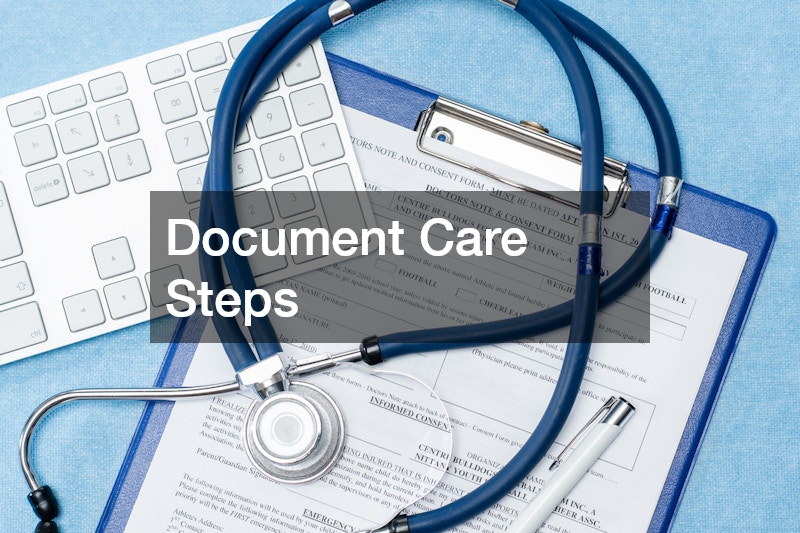
Accurate documentation is fundamental to compliance and continuity of care. Clear records support transparency, accountability, and communication among staff members. Updated documentation protocols help ensure that information is recorded consistently and securely. Proper documentation reduces misunderstandings. It also supports legal and regulatory requirements. Clear records improve handoffs between staff. This consistency strengthens care continuity.
A landscaping company often relies on detailed documentation to track projects and maintenance schedules. Veterinary hospitals can adopt a similar discipline by clearly documenting care steps, treatments, and follow-ups. This level of detail supports regulatory compliance and improves overall care coordination. Documentation also supports quality reviews. It helps identify care trends. Accurate records improve internal communication. This structure supports reliability.
Reduce Risk Gaps
Identifying and addressing risk gaps is essential for maintaining high standards. Regular risk assessments help uncover weaknesses in protocols, training, or infrastructure. Addressing these gaps proactively reduces the likelihood of incidents and supports long-term stability. Risk management strengthens organizational resilience. It also supports compliance efforts. Early intervention prevents escalation. This approach protects patients and staff.
Insights from commercial refrigeration services highlight the importance of preventive maintenance and risk mitigation. Veterinary hospitals can apply these principles by routinely evaluating systems and procedures to ensure they function as intended. Closing risk gaps strengthens compliance and protects both patients and staff. Preventive actions reduce downtime. They also support consistent operations. Risk awareness improves preparedness. Overall, safety and reliability increase.
Maintain Standards
Maintaining industry standards requires ongoing commitment and regular protocol updates. Standards evolve over time, and veterinary hospitals must adapt accordingly. Consistent evaluation and improvement help ensure that facilities remain aligned with current expectations. Ongoing commitment reinforces professionalism. It also supports regulatory compliance. Adaptability ensures long-term success. Standards become embedded in daily practice.
Technologies and practices used in security camera services demonstrate how continuous monitoring supports accountability. Veterinary hospitals can maintain standards by combining updated protocols with effective oversight. This approach reinforces compliance, enhances safety, and supports a culture of continuous improvement. Oversight ensures protocols are followed. Monitoring identifies deviations early. Continuous improvement becomes routine. This culture supports excellence.
Updated protocols are a foundational element in helping veterinary hospitals meet and sustain industry standards. As this article has shown, structured procedures influence every aspect of operations, from patient care and safety to documentation and monitoring. When protocols are reviewed and refined regularly, veterinary hospitals can respond more effectively to regulatory changes, technological advancements, and evolving client expectations. This adaptability is essential in an industry where precision, accountability, and trust are critical.
By examining protocol updates through multiple operational lenses, it becomes clear that consistency and clarity are key drivers of success. Clearly defined guidelines reduce variability in care, support staff decision-making, and minimize operational risk. They also create a shared understanding across the organization, ensuring that every team member works toward the same standards. This unified approach strengthens collaboration and improves overall efficiency.
Updated protocols also play a vital role in risk management and compliance. Routine audits, safety checks, and monitoring systems help identify potential issues before they escalate. Thorough documentation supports transparency and provides a clear record of adherence to standards. Together, these practices help veterinary hospitals demonstrate professionalism and reliability to both regulators and clients.
Ultimately, how updated protocols help veterinary hospitals meet industry standards comes down to preparation and consistency. Facilities that invest in maintaining clear, current procedures are better equipped to deliver high-quality care while protecting their staff, patients, and reputation. By viewing protocols as living systems rather than static documents, veterinary hospitals can build resilient operations that support long-term success and continued compliance in a constantly evolving industry.