Moving to a new house represents a monumental milestone for any household. The checklists seem endless, stretching from sorting through accumulated storage to organizing utility transfers and signing piles of documents. Amid the chaotic whirlwind of boxes and packing tape, it is easy to overlook how profoundly this transition impacts the non-human family members. Pets thrive on predictability, routine, and familiar sensory environments. When their world is packed into boxes and transported to an unfamiliar geography, their sense of security can easily shatter.
Responsible owners recognize that establishing a comfortable physical space with a familiar bed and favorite toys is only the first phase of a successful relocation. The true challenge lies in proactively constructing a comprehensive, localized infrastructure for long-term health and wellness. This process requires a shift in perspective, moving away from reactive solutions toward an integrated framework of support. A robust network ensures that every potential medical, environmental, and behavioral need is accounted for long before an issue presents itself. By prioritizing this baseline, owners can mitigate the stress of the transition. High-quality pet care involves understanding that a change in zip code alters everything from local parasite populations to the proximity of medical facilities. Therefore, systematic planning stands as the single most effective method to guarantee that the transition remains a positive journey rather than a stressful ordeal for domestic animals.
Mapping Out the Essential Medical Coordinates
Finding a trusted partner for routine clinical visits should occupy a top spot on the pre-move to-do list. It is an unfortunate reality that many people wait until an animal displays signs of illness before looking for a local practitioner. This reactive approach often results in rushed decisions made under high-stress conditions, which can lead to a poor match between the family and the medical provider. Instead, researching options weeks before the moving trucks arrive allows for an objective evaluation of local practices. Owners should seek out clinics that align with their specific philosophies on treatment, communication styles, and scheduling flexibility.
When evaluating a potential vet clinic, look beyond basic online ratings. Wise owners look into the specific credentials of the medical staff, the range of diagnostic equipment available on-site, and how the front office handles communication. A well-run practice should feel like an extension of the family’s support system. Calling ahead to ask about their standard protocol for transferring medical records from an out-of-state facility can provide valuable insight into their administrative efficiency. Gathering complete medical histories, including recent vaccination logs, diagnostic lab results, and current prescription lists, ensures that the new local practitioner can maintain continuity of treatment without missing a single beat. This proactive record transfer also prevents the unnecessary replication of expensive tests, saving financial resources and physical discomfort for the animal during those critical first few weeks in a new town.
Navigating Non-Life-Threatening Intermediate Illnesses
Even with an exceptional primary care doctor lined up, standard office hours do not always align with the unpredictable nature of animal ailments. Minor mishaps, sudden ear infections, or unexpected gastrointestinal distress frequently manifest during weekend afternoons, bank holidays, or late evenings when traditional offices are securely locked. In the past, owners faced a difficult binary choice during these off-hour situations: either wait anxiously for the regular office to open on Monday morning or endure the massive financial expense and prolonged wait times associated with a major multi-specialty trauma hospital. Fortunately, modern veterinary medicine has evolved to offer a highly effective middle ground that bridges this specific gap.
Identifying a reputable urgent care vet clinic in the immediate vicinity provides a vital safety net for those stressful, intermediate scenarios. These specialized facilities are specifically designed to handle pressing medical issues that require prompt attention but do not rise to the level of a life-threatening catastrophe. Whether a dog manages to slice a paw pad on a piece of hidden yard debris or a cat suddenly develops an uncomfortable urinary tract issue, these facilities offer rapid diagnostics and swift relief without overwhelming the resources of major trauma bays. Knowing the exact location and operational hours of these intermediate centers allows families to navigate minor medical speed bumps with absolute confidence, avoiding unnecessary panic and ensuring that discomfort is addressed with professional efficiency before it escalates into a far more severe medical crisis.
Sourcing Customized Medications and Chronic Condition Management
For families relocating with animals that manage complex, chronic, or long-term health conditions, the transition requires an additional layer of logistical precision. Pets suffering from conditions such as feline diabetes, canine cognitive dysfunction, chronic kidney disease, or severe skin allergies rely heavily on strict medication schedules that cannot easily be paused or altered. A simple shift in geographic location can sometimes disrupt supply chains, or a new regional doctor might not routinely stock the exact formulation that a pet has safely taken for years. This is especially true for highly customized therapeutics, hard-to-find liquids, or transdermal gels that must be absorbed through the skin because an animal refuses to swallow standard pills.
To maintain complete therapeutic continuity, it is essential to locate a reliable vet compounding pharmacy that can service the new neighborhood. These specialized pharmaceutical entities possess the unique equipment and precise training required to alter the form, flavor, or dosage strength of a medication to perfectly match the individual requirements of a specific patient. Whether an owner needs a bitter cardiac medication transformed into a highly palatable, beef-flavored chewable or requires a highly specific, micro-dosed capsule that commercial manufacturers simply do not produce, these pharmacies are indispensable. Establishing a proactive relationship with such a provider immediately upon arrival prevents dangerous gaps in medication administration, giving owners total peace of mind that their companion’s intricate medical regimen will remain entirely uninterrupted throughout the moving process.
Understanding New Geographical Health Vulnerabilities
Every single region of the country possesses its own unique environmental ecosystem, which inherently introduces distinct biological challenges for domestic animals. A family relocating from an arid, high-altitude desert environment to a humid, low-lying coastal plain will encounter an entirely different array of microscopic threats, parasites, and regional diseases. For example, certain areas are notorious hotbeds for tick-borne illnesses like Lyme disease or Rocky Mountain spotted fever, while other regions present high risks for fungal infections such as blastomycosis or valley fever. Failing to adapt the animal’s preventive regimen to these new geographic realities can expose them to severe, preventable health complications.
Comprehensive animal health care requires a deep, localized understanding of these specific environmental variables. Upon settling into a new home, owners must consult with local experts to determine if additional vaccinations, such as those targeting leptospirosis or canine influenza, are highly recommended for the local lifestyle. Additionally, the timing and duration of preventative treatments for heartworm, fleas, and ticks can vary dramatically based on local weather patterns and regional temperatures. While some northern climates allow for a brief respite from parasite preventives during the deep freeze of winter, southern and coastal regions demand strict, year-round adherence to these protocols. Embracing a localized approach to wellness ensures that the household’s protective shield remains completely impervious to whatever unique biological challenges the new environment presents.
Preparing for the Unexpected with Trauma Networks
While proactive wellness and intermediate care options handle the vast majority of day-to-day concerns, true preparedness demands a strategy for worst-case scenarios. True medical emergencies, such as severe vehicular trauma, acute poison ingestion, sudden cardiovascular collapse, or profound physical shock, require immediate intervention from a facility equipped with advanced life-support systems, intensive care units, and round-the-clock surgical teams. In these terrifying moments, every single second counts, and wasting precious time searching online for an open facility or navigating an unfamiliar route can directly impact the clinical outcome for the animal.
Therefore, identifying the closest 24-hour emergency vet is a critical task that must be completed before the first moving box is even packed. Owners should physically drive the route from their new home to this trauma center at least once, ideally during evening hours, to familiarize themselves with turn lanes, highway exits, and parking situations. This mental rehearsal removes the frantic guesswork from a real crisis. Additionally, keeping the facility’s direct phone number, address, and triage protocols prominently displayed on the kitchen refrigerator ensures that anyone in the household can act instantly if disaster strikes. True peace of mind does not come from assuming emergencies will never happen, but from knowing exactly where to go and what to do when they occur.
Eradicating Property Infestations Before Moving In
The health ecosystem of a new home extends far beyond the walls of medical offices and into the actual physical structure of the residence itself. Properties that have sat vacant for weeks or were previously occupied by other animals can frequently harbor hidden populations of pests. Flea pupae can remain dormant in carpets or baseboards for months, only to hatch simultaneously when they detect the vibrations, warmth, and carbon dioxide of new inhabitants. Similarly, wood-boring insects, spiders, rodents, or cockroaches can establish nesting sites inside walls, crawlspaces, or attics, creating a living environment that is structurally compromised and biologically hazardous for both humans and animals.
Engaging a professional pest control service to thoroughly evaluate and treat the empty house before furniture and pets arrive is a smart preventive measure. Treating an empty structure is vastly more effective because technicians can access deep crevices, baseboards, and subfloors without obstacle. Furthermore, it completely eliminates the risk of exposing sensitive animals to wet chemical treatments, specialized baits, or airborne particulates during the application process. When scheduling this service, owners should explicitly communicate that they have animals, ensuring that the technicians utilize formulas that are entirely safe for domestic companions once dry. This proactive step creates a clean, hygienic baseline, ensuring that the new home remains a secure sanctuary rather than a source of chronic parasitic frustration.
Safeguarding the Backyard Against Seasonal Vectors
Beyond the interior walls, the outdoor property demands equal scrutiny to ensure total environmental safety. Backyards, patios, and decks are primary areas where animals play, relax, and exercise, but they can also harbor significant seasonal health hazards. Standing water in clogged gutters, low spots in the lawn, or poorly draining flower pots can turn a beautiful yard into a breeding ground for dangerous flying insects. These insects are not merely an annoyance; they are primary vectors for heartworm disease, a debilitating and potentially fatal condition that affects both dogs and cats when infected insects bite them.
Implementing an aggressive strategy for mosquito control is an essential component of establishing a safe outdoor environment. Owners should carefully inspect the entire boundary of their new property to eliminate any sources of stagnant water and clear away thick, overgrown brush where these pests congregate during the heat of the day. Utilizing pet-safe yard treatments or consulting with environmental specialists can drastically reduce the insect population without introducing toxic residues that could harm an inquisitive pet. By taking control of the outdoor airspace, owners can ensure that afternoon play sessions in the new yard remain entirely safe and joyful experiences, free from the hidden threat of vector-borne illnesses.
Timely Preventive Procedures and Lifelong Health Milestones
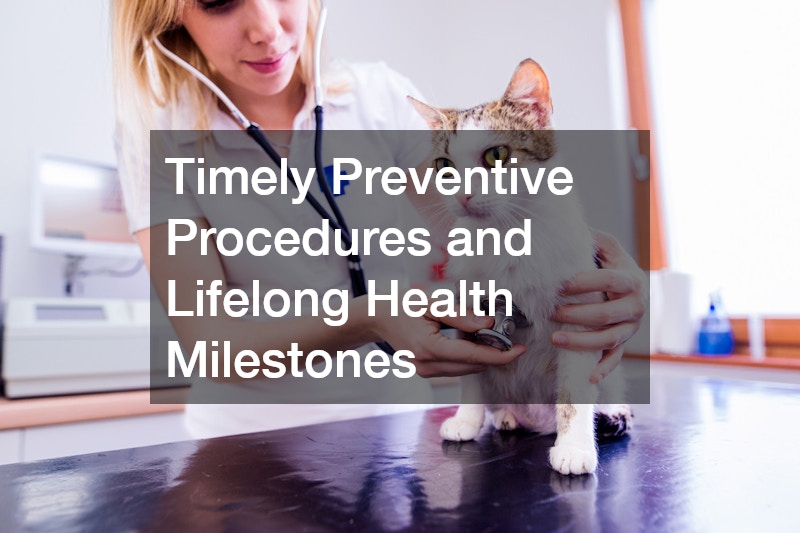
In addition to securing local emergency and general practitioner networks, a complete health ecosystem requires keeping up with scheduled surgical milestones. For households moving with juvenile pets, relocation can sometimes disrupt standard veterinary timelines, leading to delayed treatments or forgotten appointments. This is particularly crucial for time-sensitive procedures like cat spaying, which provides profound health advantages alongside standard population management. Ensuring these routine procedures are scheduled shortly after the move helps maintain optimal long-term health and keeps development completely on track.
Managing Moving Day with Professional Accommodations
Finally, the actual day of the physical move presents unique safety hazards, from heavy furniture being carried through open doors to loud noises that can induce severe panic. To prevent accidental escapes or intense anxiety, utilizing a high-quality cat boarding facility for a few days during the peak chaos is an incredibly wise choice. Keeping feline companions in a structured, quiet environment while the house is being packed and unpacked ensures their absolute safety. Once the heavy lifting is completely finished, they can be introduced to a peaceful, secure new environment.
Settling Into a Secure Safe Haven
Ultimately, setting up a comprehensive health ecosystem in a new home takes deliberate planning, but the peace of mind it offers is truly priceless. By organizing primary care, specialized pharmacies, emergency plans, and property protection ahead of time, owners ensure a smooth, low-stress transition for their entire household.